Dere Types Explained: Tsundere, Yandere, Kuudere, Dandere
Every dere type in one guide. What tsundere, yandere, kuudere, dandere, deredere, himedere and more mean, with a comparison table and famous examples.
Written by Bugra, founder of Gootaku
Contents
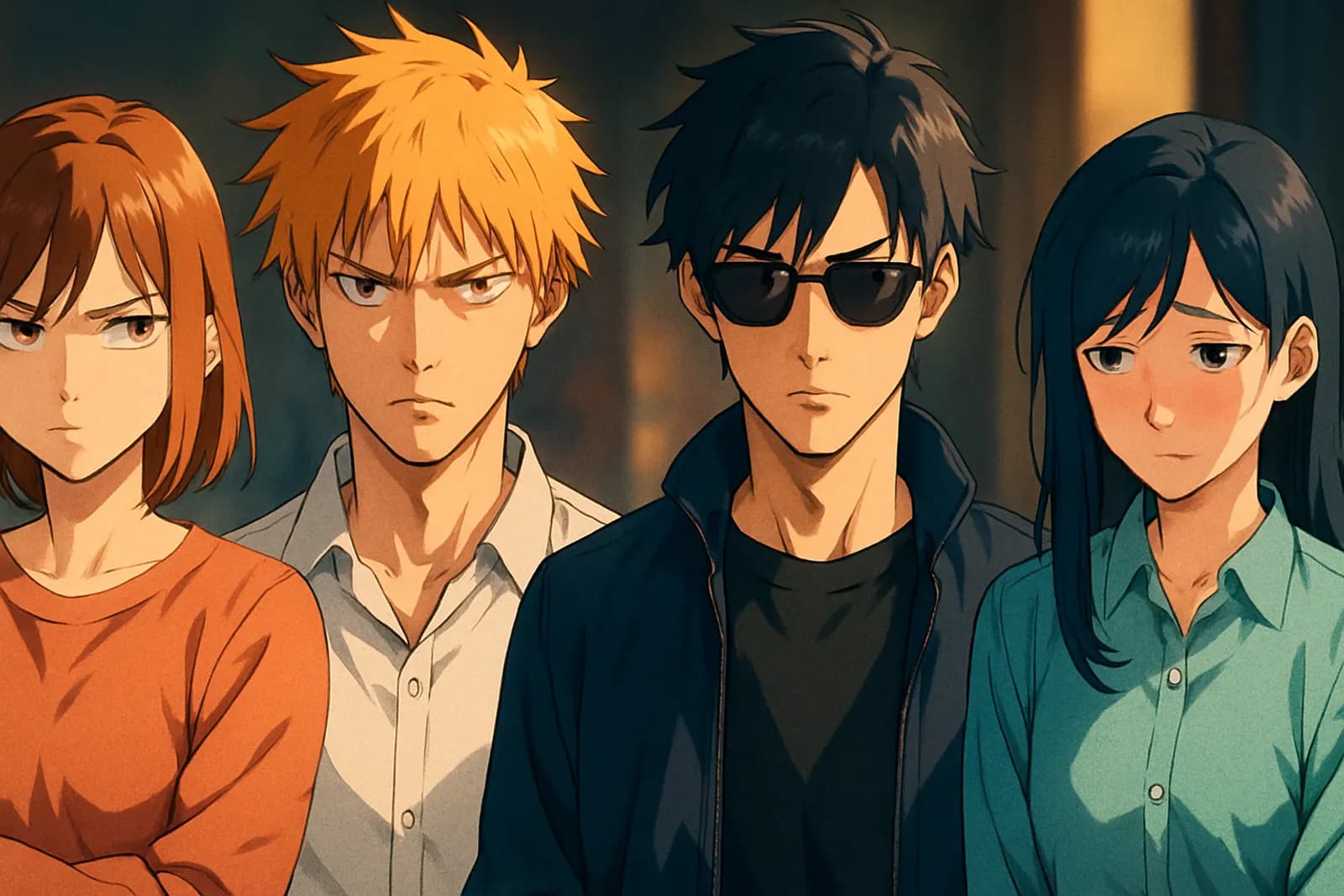
Dere types are a family of character archetypes in manga, anime and visual novels, each named for the way a character hides or shows romantic affection. Every name ends in dere, from dere-dere (デレデレ, lovey-dovey), and the first half describes the "mask": tsun (prickly), yan (sick), kuu (cool), dan (silent) and so on.
They are shorthand, not rules. A well-written character is always more than their dere type, but the labels are useful for readers describing what they love and for writers planning a cast.
Key facts
- Root word: dere-dere (デレデレ), a mimetic word for being openly, gushingly affectionate.
- The big four: tsundere, yandere, kuudere, dandere.
- Origin: Japanese fan communities around visual novels and dating sims in the 2000s; "tsundere" came first and the rest were coined on the same pattern.
- Standard vs fan-made: the big four are widely recognized; terms like himedere, kamidere or undere are fan coinages used less consistently.
- Scope: archetypes, not genres. Any genre or demographic can include any dere type.
The Big Four at a Glance
| Type | Japanese | Literal meaning | Mask | Inside | Famous example | |------|----------|-----------------|------|--------|----------------| | Tsundere | ツンデレ | prickly + lovey | Hostility | Affection | Taiga Aisaka (Toradora!) | | Yandere | ヤンデレ | sick + lovey | Sweetness | Obsession | Yuno Gasai (Future Diary) | | Kuudere | クーデレ | cool + lovey | Calm | Quiet care | Rei Ayanami (Evangelion) | | Dandere | ダンデレ | silent + lovey | Shyness | Warmth | Hinata Hyuga (Naruto) |
A simple way to keep them apart: ask what the character does when their crush walks in. The tsundere insults them. The yandere glares at whoever they were talking to. The kuudere nods. The dandere hides.
Tsundere: Prickly, Then Sweet
A tsundere hides affection behind irritation, insults and denial ("It's not like I made this for you!"). The appeal is the payoff: every harsh line promises a soft one later, and the character's arc is learning to say what they mean. Classic examples include Taiga Aisaka, Asuka Langley Soryu and Rin Tohsaka.
Read the full guide: Tsundere Meaning.
Yandere: Sweet, Then Dangerous
A yandere is openly loving, but that love turns possessive, jealous and sometimes violent. The visual signature is the switch from sparkling eyes to flat, highlight-less ones behind a smile. Yandere characters belong mostly to thrillers, horror and dark romance, with Yuno Gasai of Future Diary as the defining example.
Read the full guide: Yandere Meaning.
Kuudere: Cool, Calm, Quietly Caring
A kuudere appears composed and nearly emotionless but cares deeply, showing it through actions and rare small smiles. Often a soldier, genius, android or otherwise restrained figure. Rei Ayanami, Yuki Nagato and Mikasa Ackerman are the standard references.
Read the full guide: Kuudere Meaning.
Dandere: Shy Until They Trust You
A dandere is quiet because of shyness or anxiety, not composure. Once comfortable with someone, they become warm and talkative. Hinata Hyuga, Shoko Komi and Bocchi from Bocchi the Rock! are the usual examples, and their stories are about finding a voice.
Read the full guide: Dandere Meaning.
Other Dere Types You Will See
These are less standardized. Fans use them, but definitions vary from community to community:
| Type | Meaning | Short description | |------|---------|-------------------| | Deredere | lovey + lovey | Openly cheerful and affectionate with no mask at all | | Himedere | princess + lovey | Wants to be treated like royalty; affection comes with demands | | Kamidere | god + lovey | Arrogant, god-complex confidence; a more extreme himedere | | Undere | "yes" + lovey | Agrees with everything the beloved says | | Bakadere | fool + lovey | Clumsy, airheaded, endearingly silly | | Mayadere | — | An antagonist who switches sides out of love |
Treat these as playful vocabulary. If you are describing a character in an essay or a pitch, the big four plus "deredere" will be understood almost everywhere; the rest may need a one-line explanation.
Dere Types and Story Roles
Dere types are not only about romance. They often map to roles in a cast:
| Role in a cast | Common dere pairing | Why it works | |----------------|--------------------|--------------| | Rival who becomes an ally | Tsundere | Hostility that softens mirrors the shift from enemy to friend | | Loyal protector | Kuudere | Calm competence; love shown through protection | | Quiet heart of the group | Dandere | Others' patience shows their kindness | | Hidden threat | Yandere | Sweet surface, delayed reveal | | Comic relief / sunshine | Deredere | Uncomplicated warmth balances heavier characters |
A cast with only one type gets monotonous. Contrast is what makes each one readable: a kuudere next to a tsundere, a dandere next to a deredere.
Where the Labels Came From
The pattern names grew out of 2000s Japanese online fandom, especially around visual novels and dating sims, where players compared heroines by "route." Tsundere spread first and became mainstream slang by the mid-2000s; yandere, kuudere and dandere followed on the same template. Anime marketing and light novel blurbs adopted the words, and global fandom picked them up from there.
The characters themselves are older than the words. Stoic heroines, sharp-tongued love interests and shy wallflowers fill manga from the 1970s onward. The vocabulary simply gave readers a quick way to name what they already recognized.
Spotting a Dere Type in One Scene
Put any character in the same scene: their crush hands them a gift in front of friends.
- Tsundere: grabs it, says they did not want it anyway, blushes, and keeps it forever.
- Yandere: treasures it, then asks who else received one.
- Kuudere: "Thank you." Uses it every day without comment.
- Dandere: cannot speak, nods, and writes a thank-you note later.
- Deredere: hugs everyone in the room.
- Himedere: accepts it as the least they could do.
Using Dere Types Without Writing Clichés
- Start with a reason. Why is this character prickly, calm, shy or obsessive? One line of backstory turns a trope into a person.
- Plan the arc. Most dere types are defined by a gap between outside and inside. The story is about that gap closing (or, for a yandere, widening).
- Give them a life outside romance. Hobbies, goals, flaws unrelated to their crush.
- Mix traits. Real characters blend: a kuudere with a dandere's nervousness around one person, a tsundere who is deredere with friends.
- Design the tells. Decide each character's physical giveaway: a blush, a pause, a glance. Our anime character design guide covers expression sheets.
Building a Dere Cast With Gootaku
Gootaku's Character Maker lets you design a character once and reuse the same look in every panel, which matters for dere types because so much of the story is in expression changes on the same face. Each generation is one panel and costs 1 token.
A quick workflow:
- Design each cast member in the Character Maker (one portrait per generation).
- In the Manga Maker, pick a style: Shōjo for romance, Shōnen for action casts, Seinen or Classic B&W for darker stories, Chibi Manga for comedy.
- Generate the key beat for each type as its own panel: the tsundere's blush, the kuudere's rare smile, the dandere's first sentence, the yandere's empty-eyed grin.
- Add dialogue, thought bubbles, narration and SFX in the editor. The art is generated without text so your lines stay editable.
More ways to bring this to life
FAQ
What are the main dere types?
The four main dere types are tsundere (hostile outside, affectionate inside), yandere (loving to the point of obsession), kuudere (calm and reserved) and dandere (shy and quiet). Deredere, the openly sweet type, is often counted as a fifth.
What does "dere" mean?
Dere comes from dere-dere (デレデレ), a Japanese word for being lovey-dovey or gushingly affectionate. Each dere type pairs it with a word describing how the character hides or distorts that affection.
Which dere type is the most popular?
Tsundere is the most widely known and used. Kuudere and dandere are also very common; yandere is famous but mostly appears in darker genres.
Can a character have more than one dere type?
Yes. Many characters mix types or shift over the story, for example a dandere who becomes deredere once comfortable, or a kuudere who acts tsundere around one person.
Are dere types only for female characters?
No. The labels are applied to male characters too, such as stoic kuudere swordsmen, tsundere rivals and yandere love interests in otome games.
Are dere types used in Japan or only in Western fandom?
They started in Japanese fandom. Tsundere and yandere in particular are common Japanese slang; some of the rarer types are used more in international fan communities.
Keep Reading
- Tsundere Meaning - prickly, then sweet
- Yandere Meaning - love that turns dangerous
- Kuudere Meaning - calm on the outside
- Dandere Meaning - shy until they trust you
- Character Consistency in AI Manga - keep each face the same
Ready to create your own manga?
Start free — no credit card required. 1 free AI generation on signup, +1 every 2 days.
Start CreatingOn the go? Get the Gootaku iPhone app.
Related guides
Tsundere Meaning: What a Tsundere Is, With Examples
Tsundere means a character who is cold or hostile on the outside but secretly affectionate. Origin o…
Yandere Meaning: The Sweet-but-Dangerous Archetype
Yandere means a character whose love turns obsessive, possessive or violent. Where the word comes fr…
Kuudere Meaning: The Cool, Calm Character, Explained
Kuudere means a character who seems cold, calm and emotionless but cares deeply underneath. Origin, …
Dandere Meaning: The Shy, Quiet Character, Explained
Dandere means a shy, quiet character who barely speaks until they trust someone, then opens up warml…
Manga Panel Composition Rules — Layout & Flow
The grammar of manga panels — how layout, size, angle, and reading flow control pacing and emotion. …
Manga Panel Pacing — How Many Panels Per Page, Explained
How many panels belong on a manga page, and why it changes with the scene. A practical guide to pane…