Webtoon Style Guide — It's Not Just "Manga You Scroll
Full color, vertical panels, and cinematic pacing change how you actually draw. Here's the exact webtoon/manhwa style conventions and prompt formulas.
Written by Bugra, founder of Gootaku
Quick answer
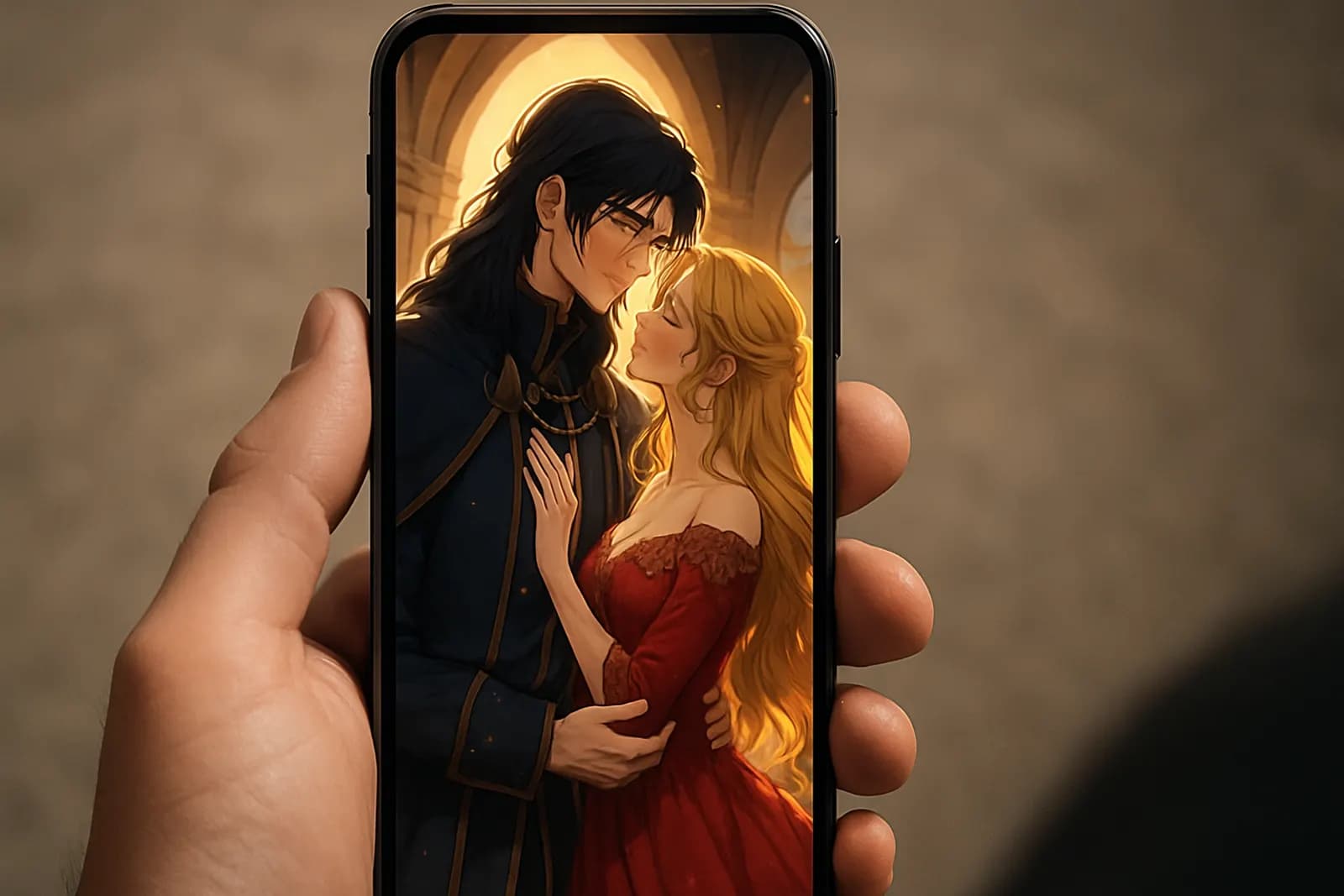
Webtoon or manhwa style is the Korean comic look built for phone scrolling: full color, clean even linework, soft gradient shading, cinematic lighting and tall panels stacked top to bottom rather than black-and-white pages. The format changes how you draw and prompt.
Contents
Webtoon/manhwa style is the Korean comic look built for phone scrolling: full color, clean even linework, soft gradient shading, cinematic lighting and tall panels stacked top to bottom instead of black-and-white pages. If manga is Japan's gift to global comics, webtoon — also called manhwa in its Korean origin form — is Korea's. Solo Leveling, Tower of God, Lookism, Lore Olympus, True Beauty — these are manhwa, and they look fundamentally different from manga.
The format and the art style are inseparable. Webtoon's vertical-scroll-on-mobile delivery shapes how panels compose. If you're using AI to make webtoon content in 2026, this guide unlocks the visual codes.
Key facts
- Terms: manhwa (만화) is the Korean word for comics; "webtoon" names the vertical-scroll, mobile-first digital format.
- Platforms: Naver Webtoon (2004) and Daum Webtoon (now Kakao Webtoon) popularized the format in Korea; WEBTOON and Tapas carry it in English.
- Breakout hit: Solo Leveling got an anime adaptation by A-1 Pictures in 2024.
- Look: full color, clean even line weight, gradient cel shading instead of screentones.
- On Gootaku: "Webtoon" is one of the five Comic-mode art styles; each generation is a single panel, and you can export panels stacked as a Webtoon Strip PNG.
What Makes Manhwa Visually Distinct
Five hallmarks separating manhwa from manga:
- Full color always — B&W manhwa is rare. Color is part of the language.
- Vertical composition — Panels stack top-to-bottom, designed for thumb-scrolling
- Cinematic lighting — Soft gradients, sunset washes, ambient color, film-like
- Photo-realistic backgrounds — Often 3D-rendered or traced over photos
- Beautiful character faces above all — Manhwa characters are aggressively attractive; "bishonen/bishoujo" aesthetic on overdrive
Manhwa vs Manga: Side-by-Side
| | Manga | Manhwa (Webtoon) | |---|------|------------------| | Format | Pages (left-right) | Vertical scroll | | Color | Usually B&W | Always full color | | Linework | Ink-heavy, varied weight | Clean, even line weight | | Shading | Screentones (halftone dots) | Soft gradient cell-shading | | Backgrounds | Detailed ink drawings | Photo / 3D-rendered | | Faces | Stylized | Hyperreal beauty | | Reading direction | Right-to-left (Japan) | Top-to-bottom (always) | | Pacing | Page-turn beats | Scroll-stretch beats |
Iconic Manhwa References
Calibrate your taste:
- Solo Leveling (Chugong + DUBU) — Action manhwa peak, dynamic effects
- Tower of God (SIU) — Long-form fantasy, distinctive character design
- Lookism (Park Tae-jun) — Realistic-leaning, mature themes
- Lore Olympus (Rachel Smythe) — Western manhwa, mythology + romance
- True Beauty (Yaongyi) — Romance manhwa, makeup transformation arcs
- The Beginning After the End (TurtleMe + Fuyuki23) — Fantasy isekai manhwa
The Manhwa Prompt Formula
[CHARACTER, beautiful + detailed] + [SCENE w/ cinematic light] + [MANHWA STYLE MODIFIERS]Manhwa style modifiers (copy these)
Generic manhwa look:
manhwa style, Korean webtoon art, full color, soft cell shading,
clean even linework, vertical composition, cinematic lighting,
beautiful character faces, photorealistic background
For action manhwa (Solo Leveling-style):
action manhwa, dynamic effects, glowing magical aura, sharp clean linework,
dramatic vertical composition, cinematic lighting, beautiful protagonist,
detailed background, Solo Leveling-style visual quality
For romance manhwa (True Beauty-style):
romance manhwa, soft pastel lighting, beautiful character closeups,
emotional expressions, gentle gradient backgrounds, vertical composition,
clean linework, full color illustration
For fantasy manhwa (Tower of God-style):
fantasy manhwa, intricate world design, magical atmosphere,
distinctive character costumes, vertical layout, cinematic background,
manhwa color palette, clean linework
Composition Rules in Manhwa
Manhwa composition is vertical thinking. Forget what you know about page layouts.
One panel per scroll-screen
On mobile, each panel often takes the full screen height. The user scrolls, screen changes, then scrolls again. Plan for this.Scroll-stretch for drama
A single emotional moment can span 4-5 scroll-screens of empty space + slow reveal. This is impossible in page-based manga but central to manhwa pacing.Wide empty sky panel (full screen of sky only),
↓ scroll ↓
Empty white space gap (negative space for tension),
↓ scroll ↓
Tiny figure appears at the top of a new panel (zoom-out shock reveal),
↓ scroll ↓
Wide environment showing scale...Vertical breath panels
"Breath" panels — single panels showing only environment, weather, or an object — separate beats. Used heavily in manhwa to control pacing.A single petal falling through air, soft sunset light,
no character visible, breath panel, manhwa style,
mood-setting before a dialogue sceneAspect ratio: tall, not wide
Manhwa panels are usually 1:1 (square) or vertical (3:4, 2:3, even 1:2). Wide panels are reserved for occasional emotional moments.Common Manhwa Themes & Subgenres
Action / Cultivation manhwa
Solo Leveling, Tower of God, Omniscient Reader. Power systems, level-ups, fights with magical effects.Visual cues: glowing auras, particle effects, sharp action poses, beautiful overpowered protagonist.
Romance manhwa
True Beauty, Cheese in the Trap, Sweet Home (mostly horror). Slow-burn romance, college / school settings, makeup / transformation arcs common.Visual cues: soft pastel palette, emotional close-ups, blushing, eye-contact framing.
Isekai / Fantasy manhwa
The Beginning After the End, A Returner's Magic Should Be Special. Reincarnation, second chances, fantasy worlds.Visual cues: medieval costume design, magical elements, RPG status windows often visible in-panel.
Slice-of-life manhwa
Yumi's Cells, Cheese in the Trap. Adult lives, work, relationships, everyday struggles.Visual cues: cleaner lines, less dramatic lighting, contemporary urban settings.
Horror / Thriller manhwa
Sweet Home, Bastard. Dark themes, monster encounters, psychological horror.Visual cues: heavier shadows, desaturated palette, monster designs that blend body-horror with manhwa beauty standards.
Building a Manhwa Character
Manhwa characters are beautiful. There's no other way to put it. The aesthetic standard is unforgiving.
Female protagonist
Beautiful young woman, age 18-22, slim and tall figure,
long flowing [color] hair, large bright [color] eyes with detailed reflections,
perfect facial features (high cheekbones, defined jaw, full lips),
contemporary fashion or fantasy costume, soft makeup,
manhwa style, photorealistic beauty standard
Male protagonist
Handsome young man, age 18-25, tall and athletic build,
sharp jawline, well-defined facial features, [hair color] styled hair,
intense [eye color] eyes, contemporary or fantasy outfit,
manhwa style, attractive male lead aesthetic
Side characters
Even side characters in manhwa are visibly attractive — the aesthetic permeates the cast. There are exaggeratedly "ugly" characters for comedy/contrast, but they're stylized differently.Lighting Is Everything in Manhwa
Manhwa lives on light. A panel without thoughtful lighting reads as flat or amateur:
Lighting templates
Golden hour drama:
warm golden sunset lighting, long shadows, hair backlit and glowing,
manhwa style, cinematic atmosphere
Cool blue tension:
cool blue moonlight, deep shadows, dramatic chiaroscuro,
character partly in shadow, manhwa style, tension building
Soft daylight romance:
soft diffused daylight, gentle bloom effect, pastel highlights,
manhwa romance style, dreamy atmosphere
Magic glow action:
glowing magical aura around character, particles floating,
strong rim-lighting from the magic source, action manhwa style
Every important panel deserves a lighting treatment specified in the prompt.
Background Style
Manhwa backgrounds are often:
- 3D-rendered in tools like SketchUp + filtered to look hand-drawn
- Traced over photos for architecture/cities
- Painted with gradients for sky / mood scenes
Korean vs Other "Webtoon" Styles
The format "webtoon" has been adopted by non-Korean creators (Japanese, Chinese, Western). Each has slight variations:
- Korean manhwa — Core style described above
- Chinese manhua (vertical scroll) — Similar to manhwa but often more "wuxia" / cultivation themed
- Japanese webtoon — Manga-style art adapted to vertical scroll, often retains screentones
- Western webtoon — Lore Olympus, Heartstopper — looser, more "indie comic" influenced
Korean manhwa style (vs)
Chinese cultivation manhua style (vs)
Japanese vertical scroll webtoon (vs)
Western indie webtoon style
What to Avoid
- ❌ Black and white — Manhwa is full color (unless deliberately retro)
- ❌ Screentones (halftone dots) — That's manga. Manhwa uses gradients.
- ❌ Wide landscape panels by default — Vertical first.
- ❌ Stylized "anime" eyes — Manhwa eyes are more realistic, less exaggerated
- ❌ Generic "comic" prompt — Specify "manhwa" or "Korean webtoon"
- ❌ Empty flat backgrounds — Manhwa renders environments fully
- ❌ Plain or amateur character faces — Manhwa beauty standard is part of the genre
When to Choose Manhwa vs Manga vs Comic
| Choose manhwa if... | Choose manga if... | Choose comic if... | |---------------------|--------------------|--------------------| | You're publishing on Webtoon/Tapas | You're publishing on Manga Plus / print | You're publishing on Webtoon Western, Patreon | | Mobile-first reading is priority | Long-form reading sessions OK | Print or page-based digital | | You want full color | You like B&W or budget-conscious | You want full color | | You like cinematic dramatic pacing | You like dense storytelling | You like punchy short arcs | | Your audience is global teens/twenties | Your audience is anime/manga fans | Your audience is comic readers |
Try It
In Gootaku's Studio, open Comic mode and pick the Webtoon style. Try:
> A beautiful young woman with long silver hair and ice-blue eyes, > standing on a Seoul rooftop at sunset, wind blowing her hair, > wearing a modern leather coat, manhwa style, cinematic golden hour lighting, > photorealistic city background, vertical composition
You'll get one full-color manhwa-style panel (fixed 1024×1536 portrait, 1 token) — closer to Tower of God than to Naruto. Dialogue goes on afterwards as editable bubbles; the AI doesn't letter it.
Start creating webtoon → — 1 free token to start and 1 more every 2 days.
To build a longer sequence, use the Gootaku Comic Maker: pick the Webtoon style, generate one panel per beat (up to 4 panels per page), add dialogue in the editor, and export the panels stacked as a Webtoon Strip PNG. Gootaku doesn't format a full scroll episode or slice it for Webtoon Canvas; spacing and slicing happen in your own editor (see the vertical panel format guide).
Try the Comic Maker → — 1 free token to start and 1 more every 2 days, no card required.
---
More ways to bring this to life
Frequently Asked Questions
What's the visual difference between manhwa and manga art style?
Manhwa (webtoon) is almost always full color with more painterly, semi-realistic rendering and cinematic lighting, while manga is traditionally black-and-white with screentone shading and more stylized, graphic linework. Manhwa panels are also composed for vertical scroll rather than a printed page.
Do webtoons use screentones like manga?
Rarely. Since webtoons are full color from the start, shading is done with color, gradients, and lighting rather than the dot-pattern screentones manga relies on to suggest tone in black-and-white.
Is manhwa the same thing as webtoon?
Not exactly — manhwa is the general term for Korean comics (any format), while "webtoon" specifically describes the vertical-scroll, mobile-first digital format. Almost all modern manhwa is published as webtoons, so in practice the terms are used interchangeably.
Can AI generate art in an authentic manhwa style?
Yes — tools like Gootaku include a Webtoon art style in Comic mode tuned for the cinematic lighting and semi-realistic rendering the format is known for, rather than defaulting to a manga look.
Keep Reading
- Best AI Tools for Webtoon Creators 2026 — Tools tested specifically for vertical-scroll workflows
- Manga vs Comic vs Webtoon: Which Format Fits Your Story? — Format choice deep-dive
- Color Theory for Webtoons — A Practical Guide — Color is everything in full-color manhwa
- How to Publish AI Manga Online — Including Webtoon Canvas and Tapas
- Compare: Gootaku vs Dashtoon — Two webtoon-capable tools head-to-head
- How to Keep AI Characters Consistent — Critical for 50-panel webtoon chapters
Ready to create your own manga?
Start free — no credit card required. 1 free AI generation on signup, +1 every 2 days.
Start CreatingOn the go? Get the Gootaku iPhone app.
Related guides
What Is a Webtoon? Definition, Origin & vs Manga
A webtoon is a Korean-origin digital comic built for vertical scrolling on mobile. Here's what webto…
What Is Manhwa? Manhwa vs Manga vs Manhua, Explained
Manhwa (만화) is the Korean word for comics: full-color, often vertical-scroll stories. What manhwa me…
Webtoon Vertical Panel Format Guide — Sizes, Spacing & Flow
The complete guide to vertical scroll webtoon formatting — canvas sizes, panel spacing, pacing trick…
AI Manhwa Generator — Make Webtoon-Style Manhwa Online
Make Korean-style manhwa with an AI manhwa generator — full color, vertical scroll, consistent chara…
Webcomic Monetization in 2026: Platforms, Fees and a Step-by-Step Plan
Webcomic monetization compared: Patreon, Ko-fi, Tapas, Webtoon Canvas, Kickstarter, Gumroad, KDP and…
How to Publish Your AI Manga Online — Find Readers in 2026
You finished your AI manga — now what? A practical guide to publishing and growing an audience acros…